Westfield London Rubbish Clearance Options Near Shepherds Bush
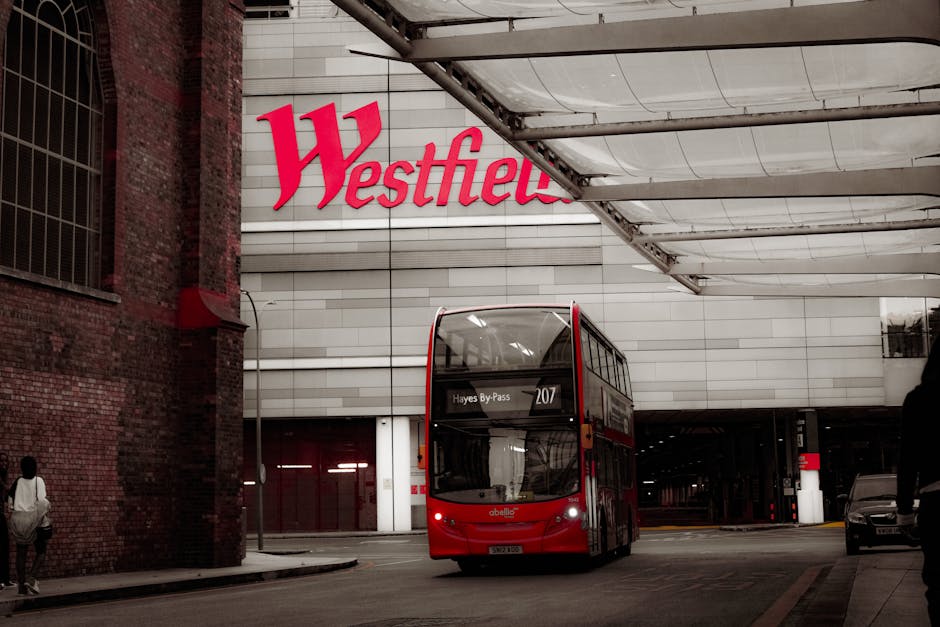
If you are dealing with unwanted waste near Westfield London, the job can feel oddly urgent. A store refit, a flat move, a post-renovation clear-up, or just a week when the bin bags have somehow multiplied in the hallway - it all needs sorting quickly, cleanly, and without creating extra hassle for neighbours, staff, or visitors. This guide to Westfield London rubbish clearance options near Shepherds Bush walks you through the realistic ways to get rubbish removed, what each option is best for, and how to choose a service that actually makes life easier.
We will look at bulky items, commercial waste, builders' debris, furniture, mixed household rubbish, and the practical checks worth making before you book. You will also find a simple comparison table, a checklist, and a few grounded tips from the kind of situations people run into every day around busy London locations. Let's face it, no one wants to spend a whole afternoon figuring out waste logistics when there are better things to do.
- Why it matters
- How it works
- Key benefits
- Who this is for
- Step-by-step guidance
- Expert tips
- Common mistakes
- Tools, resources and recommendations
- Law, compliance and best practice
- Options and comparison
- Real-world example
- Practical checklist
- Frequently asked questions
Why Westfield London Rubbish Clearance Options Near Shepherds Bush Matters
Westfield London sits in a very active part of west London, which means rubbish clearance there is not just about "getting rid of stuff". It is also about timing, access, presentation, and not disrupting the people around you. In a place where footfall, deliveries, and parking can already be tight, waste left outside too long can become a problem very quickly. That matters whether you are managing a retail unit, clearing an office, tidying a flat, or dealing with leftovers after a home project.
The practical challenge is simple: rubbish near a major shopping and transport area needs to move efficiently. A pile of cardboard or bagged waste might not seem like much at first, but by the next morning it can look untidy, attract complaints, and create avoidable risk. For businesses, the pressure is even clearer. Customers notice clutter. Staff notice clutter. Everyone notices clutter.
There is also a sustainability angle. Good rubbish clearance is not only about disposal; it is about separating items that can be reused, recycled, or handled in a more responsible way. If you are trying to keep a flat move organised or improve a commercial premises, a planned clearance approach saves time and reduces the odds of last-minute panic. Truth be told, last-minute panic is expensive.
Expert summary: The best rubbish clearance option near Westfield London is usually the one that balances speed, access, item type, and disposal responsibility. The "cheapest" choice is not always the best if it creates delays, extra labour, or avoidable risk.
How Westfield London Rubbish Clearance Options Near Shepherds Bush Works
Most rubbish clearance services follow a similar basic process, but the details matter. First, you identify what needs removing and whether it is general rubbish, bulky waste, furniture, builders' waste, office waste, or something that needs special handling. Then you choose a collection style that suits the volume and access conditions. In a busy London setting, that access part is often the difference between a smooth job and a frustrating one.
For smaller loads, a man-and-van style collection or a pre-booked rubbish removal visit may be the most convenient. For larger or more awkward jobs, such as mixed renovation waste or a full room clearance, a larger clearance team may be more efficient than trying to piece together smaller collections. If you are handling a workplace, you may also want to think about ongoing support rather than a one-off tidy-up. A service such as business waste removal can be more practical for regular, repeat waste.
The important thing is to avoid guessing. Weight, volume, item type, and access can all affect the plan. A single heavy appliance is not the same as twenty bin bags, and a sofa on the fourth floor is not the same as a few boxes in a ground-floor storage room. You know how it goes: the small detail becomes the big detail once the van turns up.
If you are dealing with specific categories, specialist services are often the right fit. For example, furniture can often be handled through furniture clearance or furniture disposal, while larger domestic clear-outs may fit better with house clearance or home clearance.
Key Benefits and Practical Advantages
The biggest benefit of using a structured rubbish clearance option is that you get the space back quickly. That sounds obvious, but the speed of the reset can make a real difference. A cluttered stockroom, landing, or office corner can start affecting day-to-day work almost immediately. Once the waste is gone, the whole space feels calmer. Less noise in the head, too. Strange but true.
Another major advantage is flexibility. Unlike a skip, which can be useful in the right setting, a clearance visit removes the need to store waste on-site for days. That is especially helpful in Shepherds Bush, where access and parking can be less forgiving than people expect. If waste needs to be removed from a flat, basement, office, or shop unit without lingering outside, a collection-based service is often easier to live with.
You also reduce the risk of doing the job badly. Mixed waste can be awkward. Heavy furniture can be awkward. Builders' rubble can be awkward. Actually, almost everything is awkward if you try to move it with the wrong kit. Choosing the right service means the lifting, loading, sorting, and disposal are handled with less strain on you and your team.
There is also a trust angle. Reputable clearance work should be aligned with sensible handling, appropriate disposal routes, and attention to safety. That is where it helps to look at site information such as insurance and safety and recycling and sustainability before you book. Those pages are not just formalities; they tell you how seriously a provider treats the work.
Who This Is For and When It Makes Sense
This topic matters to a pretty broad mix of people. If you are a local resident near Shepherds Bush, you may need clearance after a move, refurbishment, loft tidy-up, or a long-overdue declutter. If you run a business near Westfield London, you may need an efficient way to clear packaging, office waste, display fixtures, old furniture, or fit-out leftovers. If you manage a landlord property, you may need a fast turnaround between tenancies. Different problem, same pressure.
It also makes sense when you are not sure your waste will fit into a conventional bin routine. That is common with bulky items, mixed materials, or one-off loads that collect faster than expected. A few examples:
- An office replacing desks and chairs in one afternoon.
- A flat clear-out after tenants leave furniture behind.
- A shop refit with cardboard, packaging, and fittings stacked in the back room.
- A small renovation where rubble and offcuts are starting to take over the hallway.
- A garage or loft that has turned into a storage black hole.
If you are not sure whether you need a specialist service, a sensible starting point is waste removal for mixed loads or flat clearance if the issue is mainly domestic and space-limited. For larger domestic jobs, house clearance is often the better fit. There is no prize for squeezing the wrong solution into a job.
Step-by-Step Guidance
Here is a clear way to approach rubbish clearance near Westfield London without overcomplicating it.
- Identify the waste type. Separate general rubbish, furniture, appliances, builders' waste, garden waste, confidential material, and anything hazardous. This saves time later.
- Estimate the volume. A few bags is one thing; a full room, van-load, or pile of construction debris is another. Be honest here. Underestimating is very common.
- Check access. Think about stairs, lifts, loading bays, parking, timing restrictions, and whether the waste must be moved through shared areas.
- Choose the most suitable service. Match the job to the right option: household clearances, office clearances, specialist appliance removal, or builders' waste clearance.
- Ask how the waste will be handled. Find out whether items will be sorted for reuse or recycling where practical, and whether special waste needs separate handling.
- Confirm the price basis. Some jobs are priced by volume, some by labour and load type, and some by item category. Clarity now prevents awkward surprises later.
- Book a time that works for access. If the collection point is busy, choose a slot that avoids the worst congestion. Early morning can help. So can planning.
- Prepare the space. Put waste in one area if possible, keep walkways clear, and flag anything fragile, heavy, or sensitive.
For business premises, it may also help to review pricing and quotes before committing, particularly if you expect repeat collections. If the job involves office documents or data-bearing material, consider confidential shredding rather than mixing those items into general rubbish. A small distinction, but an important one.
Expert Tips for Better Results
One of the simplest ways to improve the whole experience is to sort waste before collection. You do not need to create museum-level categories. Just separate obvious groups. For example, keep furniture together, builders' debris together, and anything potentially sensitive away from the rest. That can make a collection faster and usually tidier.
Another tip: photograph the waste before you book. Even a basic phone picture helps clarify volume and item type. It also gives you a record if you need to compare options. Around busy areas, clarity beats guesswork every time.
When dealing with larger items, think about the path out of the property, not just the final pile. A sofa may fit the room, but will it fit the stairwell, landing, and doorway without drama? Will the hallway be scratched? Will someone need two people just to pivot it? These are the little questions that save headaches. And a sore back, ideally.
If you are clearing appliances or bulky household items, look at dedicated services such as fridge and appliance removal or mattress and sofa disposal. Those categories are awkward enough to justify specialist handling, especially where safety and access are tight.
Finally, always ask what happens after pickup. A provider that thinks seriously about where waste goes and how it is processed is usually a safer bet than one that only talks about speed. Speed matters, of course. But not at the expense of everything else.
Common Mistakes to Avoid
People usually get into trouble in a few predictable ways. The most common one is leaving the booking until the waste has already become a problem. That leads to rushed decisions, weaker comparisons, and a higher chance of picking the wrong option. It happens all the time, and usually on a Friday afternoon. Funny how that works.
Another mistake is mixing up general rubbish with specialist waste. Builders' debris, electrical items, appliances, or anything potentially hazardous should not be treated as ordinary bags of waste. If you are unsure, ask first. It is better to spend two minutes clarifying than to spend two days unpicking a mess.
People also underestimate access. A job that seems simple from inside the building can become awkward once the loading point is blocked, the lift is tiny, or the parking situation is tight. That is one reason local knowledge matters. Shepherds Bush can be lively and busy, and Westfield London traffic patterns are not exactly calm at the best of times.
Other avoidable mistakes include:
- Not checking whether the provider can handle the specific waste type.
- Assuming everything can go in one pile.
- Forgetting to ask about recycling or disposal methods.
- Leaving fragile items mixed in with heavy waste.
- Choosing only on price and ignoring safety or reliability.
Tools, Resources and Recommendations
You do not need a complicated toolkit for rubbish clearance, but a few simple things make the process easier. Good bin liners, sturdy gloves, a marker pen for labelling, and a tape measure are often enough to tidy up the prep stage. If the job is bigger, a dolly, sack truck, or extra pair of hands can make a noticeable difference. Sometimes it is the unglamorous stuff that saves the day.
For planning, the most useful resources are often the service pages themselves. If you are dealing with a property-wide clear-up, have a look at loft clearance, garage clearance, and garden clearance where relevant. If the job is tied to decorating or structural work, builders waste clearance can be the most appropriate route.
If you are just trying to understand what can and cannot go into a load, what can go in a skip is a useful reference point even if you end up choosing a different collection method. It helps frame the difference between general mixed waste, restricted items, and materials that need care. Not every job needs a skip, but the sorting logic is still useful.
For businesses, useful support pages include office clearance and business waste removal. If you want to understand the provider a bit better before booking, about us can help establish the way they work.
Law, Compliance, Standards, or Best Practice
Waste clearance in the UK is one of those areas where basic care matters a lot. You do not need to become an expert in waste regulation, but you should make sure waste is handled by a provider that operates responsibly and understands the difference between ordinary rubbish and controlled or specialist material. That is especially important for anything hazardous, electrical, confidential, or contaminated.
Best practice usually means:
- Separating hazardous items from general waste.
- Using a provider that can explain how waste is handled.
- Avoiding fly-tipping risk by checking disposal responsibility.
- Keeping records or confirmations where they are useful for your business.
- Choosing appropriate services for specific waste types rather than forcing everything into one category.
If your waste includes chemicals, paints, oils, or other tricky materials, look carefully at hazardous waste disposal. That is not a corner to cut. The same cautious mindset applies to safety more broadly, which is why pages like health and safety policy and insurance and safety are worth checking before you book anything substantial.
For commercial waste, it is also sensible to think about privacy and secure handling. A pile of old files or hard-copy records should not simply be thrown in with general rubbish. The safer route is to use a dedicated service such as confidential shredding where needed. Not glamorous, no. Necessary, absolutely.
Options, Methods, or Comparison Table
Different rubbish clearance methods suit different situations. Here is a simple comparison to help narrow things down.
| Option | Best for | Main advantages | Watch-outs |
|---|---|---|---|
| One-off rubbish removal | Mixed household or light commercial waste | Quick, flexible, minimal disruption | Needs accurate load estimate |
| House or home clearance | Whole rooms, property moves, end-of-tenancy jobs | Covers larger volumes efficiently | Access and sorting can affect timing |
| Flat clearance | Flats with stairs, lifts, and limited storage | Well suited to urban access issues | Parking and loading restrictions matter |
| Office clearance | Desks, chairs, archives, fit-out waste | Useful for business transitions | Confidential items need separate handling |
| Builders' waste clearance | Renovation debris, offcuts, rubble | Handles heavier and messier waste | Not all materials can be mixed together |
| Specialist item removal | Appliances, mattresses, sofas | Good for awkward bulky items | Check item-specific handling requirements |
If your job sits between two categories, do not worry too much. It happens a lot. A room clear-out often includes furniture, a few appliances, and a bit of mixed rubbish too. In that case, a combined waste removal approach may be the most practical answer. The goal is not to label the job perfectly. The goal is to get it cleared properly.
Case Study or Real-World Example
Imagine a small retail unit just off the Westfield London area finishing a refit on a tight turnaround. The team has old display panels, flattened cardboard, broken packaging, some light fixtures, and a few bulky items that do not fit neatly into the usual waste stream. The store also needs the back area to look presentable before the next trading day. Nothing dramatic, just one of those jobs that becomes urgent at 5:15 pm.
In that scenario, the most sensible route is usually to sort the load by type first, keep any confidential or sensitive material out of the general pile, and arrange a collection that can handle mixed waste without making the staff do the heavy lifting. If the project included a larger reconfiguration, builders' waste might need separate attention. If office furniture was involved, office clearance would be a better fit than general rubbish pickup.
What makes this kind of job work well is not just speed. It is the prep. The more clearly the waste is grouped and the more accurately the access is described, the smoother the collection tends to be. The waste goes, the floor clears, the room breathes again. Small victory, but a proper one.
Practical Checklist
Use this before you book a clearance near Shepherds Bush:
- Have I identified the main waste type or waste mix?
- Do I know whether anything is hazardous, confidential, or restricted?
- Have I estimated the volume honestly?
- Is access straightforward, or are there stairs, lifts, or parking issues?
- Do I need a specialist service for furniture, appliances, or builders' waste?
- Have I checked whether the provider explains disposal and recycling clearly?
- Do I need a one-off job or an ongoing business arrangement?
- Have I confirmed the collection timing works for the site?
- Are there fragile items that should be kept separate?
- Have I looked at pricing and quote information before I commit?
A simple checklist like this saves a lot of back-and-forth. It also makes the conversation with the provider much easier, which is worth quite a bit on a busy day.
Conclusion
Westfield London rubbish clearance options near Shepherds Bush come down to choosing the right method for the waste in front of you, the space you have, and the speed you need. If the job is small and straightforward, a flexible waste removal collection may be all you need. If it is a larger move, an office clear-out, or a bulky furniture job, a specialist clearance approach will usually be more efficient and less stressful.
The best results usually come from clear sorting, honest volume estimates, and a provider that understands safety, compliance, and sensible disposal. That combination is what keeps the job moving and avoids the usual last-minute scramble. And frankly, that is what most people want: a clean finish, no drama, no lingering mess.
If you are ready to take the next step, explore the relevant service pages, check the details, and choose the option that fits your situation rather than forcing a one-size-fits-all answer.
Get a free quote today and see how much you can save.
Frequently Asked Questions
What are the best rubbish clearance options near Westfield London?
The best option depends on what you need removed. General mixed waste often suits a flexible rubbish removal service, while furniture, appliances, office items, or builders' debris are usually better handled through specialist clearance options.
Is rubbish clearance faster than using a skip?
It can be. A collection-based clearance is often faster because the waste is loaded and removed in one visit, rather than sitting on-site. That said, the right choice depends on access, waste volume, and how long you need the waste to remain in place.
Can I book rubbish clearance for a flat near Shepherds Bush?
Yes. Flat clearance is often a good fit where stairs, lifts, or limited storage make waste handling awkward. It is especially useful if you need the rubbish removed without keeping it outside for long.
What should I do with old office furniture?
Old office furniture is usually best handled through office clearance or furniture clearance, depending on quantity and condition. If the items are damaged, bulky, or mixed with other waste, mention that when booking.
Do I need a specialist service for appliances?
For fridges, freezers, washing machines, and similar items, a dedicated appliance removal service is usually the safest and easiest option. These items can be awkward to move and may need separate handling.
How do I know if my waste is hazardous?
If it includes chemicals, oils, paints, solvents, or similar materials, treat it with caution. Do not mix uncertain items into general rubbish. A hazardous waste disposal service is the safer route where needed.
Can rubbish clearance help after a renovation?
Yes, especially for offcuts, packaging, light rubble, and mixed builders' waste. For heavier renovation debris, a builders' waste clearance service is usually more appropriate than general waste removal.
What if I need to clear a whole property?
For larger jobs, house clearance or home clearance is often the best starting point. If the property is a flat, flat clearance may be the more practical choice because access details are different.
How should I prepare before the collection team arrives?
Group similar items together, keep walkways clear, and separate anything fragile, hazardous, or confidential. If possible, send photos of the load in advance so the job can be assessed more accurately.
Is recycling part of rubbish clearance?
It should be where practical. A responsible clearance approach aims to separate reusable or recyclable items from general waste when possible. If sustainability matters to you, it is worth checking the provider's recycling and sustainability information.
Can business waste be collected regularly?
Yes. If you run a shop, office, or commercial space near Shepherds Bush, regular business waste removal can be much easier than trying to handle waste only when it piles up.
What is the safest way to dispose of confidential papers?
Use confidential shredding rather than mixing records with general rubbish. It is a small extra step, but it protects sensitive information and keeps the disposal process cleaner overall.
How do I choose between furniture clearance and furniture disposal?
If you want items removed from the property and managed as part of a wider clear-out, furniture clearance is often the better fit. If the focus is mainly on getting individual items taken away, furniture disposal may be more relevant.
Where can I get more information before booking?
Start with the service pages that match your waste type, then check pricing and quotes, insurance and safety, and about us if you want a clearer picture of how the service works. A few minutes of reading can save a lot of confusion later.