Commercial Waste in Shepherds Bush
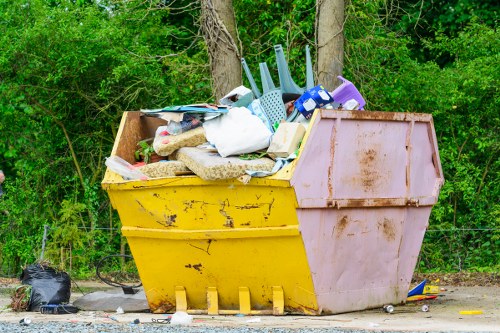
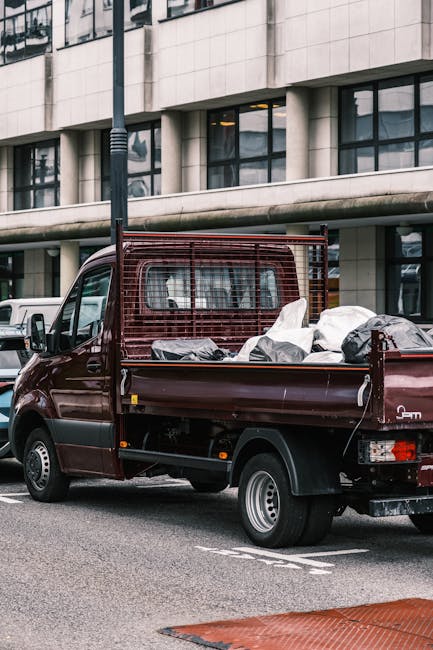
Commercial waste in Shepherds Bush needs a service that is organised, responsive and clear about what happens to the materials once they leave your premises. Our work covers the collection and removal of business waste from offices, shops, studios, hospitality venues and other commercial sites, with disposal arranged around the type of load and the practical access at the property. The aim is straightforward: to take away unwanted waste in a way that supports day-to-day business operations without adding avoidable disruption.
We handle a broad mix of routine and one-off commercial waste streams, from bagged office rubbish and general bulky items to mixed non-hazardous loads that need sorting before transfer. Where items are suitable for recycling or separate treatment, that is considered as part of the removal process. If your business needs a tidy, reliable collection plan or a single clearance after an office change, start by requesting a quotation in plain terms and describing the load, access and timing.
For businesses comparing their options, the useful questions are usually practical ones: how much waste there is, whether it is mixed, whether it includes heavier items, and how quickly the site needs to be cleared. Our service is built to answer those needs without making the process complicated. If you are planning a collection, prepare a simple description of the waste and any access details you think matter. That gives a clearer basis for arranging the job and keeps the discussion focused on the actual removal required.
Business waste collection for day-to-day operations
Business waste collection is often needed regularly rather than as a rare major clearance, so consistency matters. Offices may have a steady build-up of packaging, paper, old folders, desk-side waste and broken equipment casing. Retail units often need removal of display materials, cardboard and back-of-house rubbish. Hospitality and service businesses may need help clearing mixed waste from storage, staff areas or refurbishment preparations. We work with commercial loads that are suitable for collection and disposal, keeping the process practical for occupied premises.
The most helpful approach is to separate what can be removed cleanly from what may need special handling. Mixed waste can usually still be collected, but it may affect how the load is assessed and sorted. When you are planning the job, a short inventory is often enough: note the main categories, approximate volume, and whether there are any heavier or awkward items. If you need a more detailed explanation of scope, the business waste removal service page is a useful place to begin.
- General office and workplace rubbish
- Bulky furniture and fixtures from commercial rooms
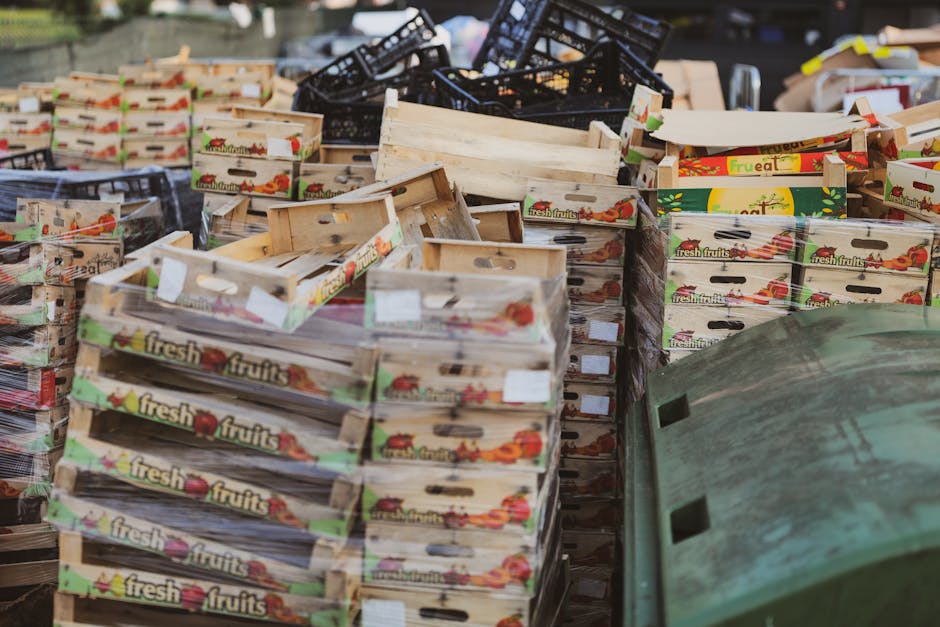
- Cardboard, packaging and storage waste
- Mixed non-hazardous waste from clear-outs
Office and workplace clearances
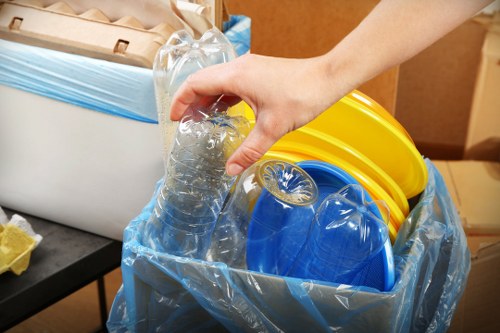
Office waste often needs removal at the point when space is being reorganised, desks are being replaced or a team area is being emptied. That can include chairs, filing units, shelving, monitors, desktop equipment casing and general paper waste. A careful clearance considers both the quantity and the layout of the room, because access routes, lifts, stairways and loading points all affect how a collection is completed. Our office collections are designed around those practical details.
Some workplaces need staged removal rather than a single all-at-once sweep. That may be because the space remains in use, because the load has to be separated into categories, or because certain items need to stay on site until replacements are installed. In those cases, we can work with the commercial waste already identified and remove it in a way that suits the premises. For fuller information on this service, see the office clearance page.
Useful preparation is simple and does not need to be time consuming. Group similar items together where possible, keep access points clear, and flag anything that is unusually heavy, fragile or still connected to power. Good preparation helps the collection run to plan, especially in shared buildings or offices with limited corridor space. Where the waste is spread across several rooms, a brief overview of the layout is usually enough to help with planning and quotation.
Retail, hospitality and mixed commercial premises
Not all commercial waste comes from offices. Shops, cafés, restaurants, salons, studios and other customer-facing premises generate their own patterns of unwanted material. That may include shelving, packaging, broken fittings, stockroom waste, worn furniture or items left after a refit. These jobs often need a considerate approach because the work has to fit around trading hours, staff movement and the layout of the premises. Our service focuses on removing the waste without turning the site into a prolonged work area.
When the load includes a mixture of bulky items and smaller rubbish, it is helpful to think about what will need to go first and what can be bundled together. This is where a clear description matters more than a long explanation. If the waste is straightforward, the collection can usually be arranged on that basis. If the situation is more involved, the waste removal page gives another route into the main service family and helps you identify the right starting point.
Some commercial clients also need periodic tidying support before handover, inspection or refurbishment. In those cases, the waste itself may not be complicated, but the timing and sequencing matter more than usual. A sensible plan often reduces delays and avoids leaving loadable items mixed with what must remain on site. That balance is especially useful when a business has to keep trading during part of the work.
Bulky items, furniture and equipment
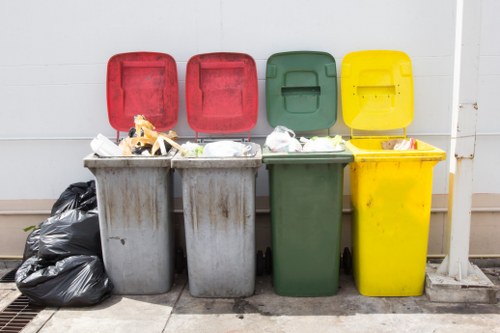
Commercial waste is not limited to bagged rubbish. Many jobs involve larger items such as desks, chairs, tables, cabinets, shelving, reception pieces or worn fixtures that are no longer needed. These items can take up space long before they become a practical problem, particularly when a workplace is rearranged or fitted out in stages. Our furniture-related removals are intended for that type of bulky load, with attention to handling and disposal requirements.
Where the waste consists mainly of large pieces, it is worth separating furniture that is intact from items that are broken, damp or partly dismantled. The way items are stacked or grouped can make collection more efficient and can also help decide what needs special handling. If your load contains office chairs, reception seating or similar pieces, the furniture clearance page gives a focused route into that part of the service. For disposal-only enquiries, the furniture disposal page is also available.
Bulky waste can also include furniture from storage areas, reception spaces and staff rooms, not only customer-facing areas. When items are no longer fit for use, it is usually better to arrange removal promptly rather than let them occupy valuable floor space. If you are unsure whether a mixed commercial load should be treated as general waste or as a more specific furniture job, a brief written description is usually enough to guide the discussion.
What commercial waste can include
Commercial waste covers a wider range of items than domestic rubbish because workplaces generate both everyday waste and operational leftovers. Typical examples include paper, cardboard, office clutter, damaged stockroom contents, old displays, worn chairs, broken shelving, packaging materials and general non-hazardous rubbish. Some businesses also produce specialist waste from equipment changes or seasonal clear-outs. The important point is not just what is present, but whether the load needs sorting before collection or disposal.
If your premises also hold items from a clean-out rather than ordinary day-to-day rubbish, the rules of the job are still practical: identify what is going, note anything awkward, and say whether access is straightforward. That applies equally to mixed office loads and light refurbishment waste. Where there are heavier items or hard-to-move contents, the builders waste clearance page may be a relevant companion page for commercial projects that involve stripped-out material as well as ordinary waste.
The more precise the description, the easier it is to match the service to the load. A simple list of item types is usually more useful than a general statement that the space needs clearing. That is especially true when the collection involves several categories of waste rather than one neat pile. For commercial customers, the main decision is often whether to clear everything in one visit or stage the removal around the business schedule.
Special handling and restricted waste
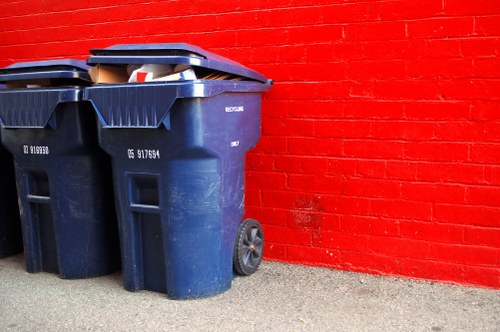
Some business waste cannot be treated like ordinary mixed rubbish. Items that are damaged in a way that makes them unsafe, components that require separate treatment, and materials that fall into more restricted categories all need closer attention. We do not present every unusual item as suitable for standard collection. Instead, the emphasis is on identifying what is present so that the right disposal route can be considered. That keeps the service honest and avoids treating every load as interchangeable.
Where the commercial waste includes appliances, electronic units or other specific items, it may be better to use the relevant service pages rather than rely on a general description. For example, the fridge and appliance removal page is useful when a business is removing cold equipment or white goods from staff areas or catering spaces, while the hazardous waste disposal page is the place to look for material that needs a more controlled approach. Not every collection will need these routes, but it is better to separate them properly when they do.
Recycling, sorting and disposal decisions
Commercial collections are often more efficient when the waste is sorted into sensible groups before it leaves the premises. Cardboard, clean packaging, office paper, reusable furniture and mixed rubbish do not always belong in the same route. Some items may be suitable for recycling, while others must be transferred as general waste or treated separately. Our aim is to handle the load in a way that reflects the material itself rather than forcing everything into one category.
That approach helps businesses make better decisions about what to set aside, what to keep together and what to list separately in a quotation request. If you want to understand the wider approach to handling materials, the recycling and sustainability page gives a relevant overview. It is especially useful when your business wants the waste removed cleanly while still considering what can be diverted into better routes where appropriate.
The right disposal path depends on the waste type, not just the volume. A small load of mixed items may need more sorting than a larger pile of uniform rubbish, and a tidy stack of cardboard can be simpler than a half-empty room of varied contents. For that reason, a clear description of the materials usually matters more than a generic request for a clearance. It helps us assess the job in a straightforward commercial way.
About Shepherds Bush
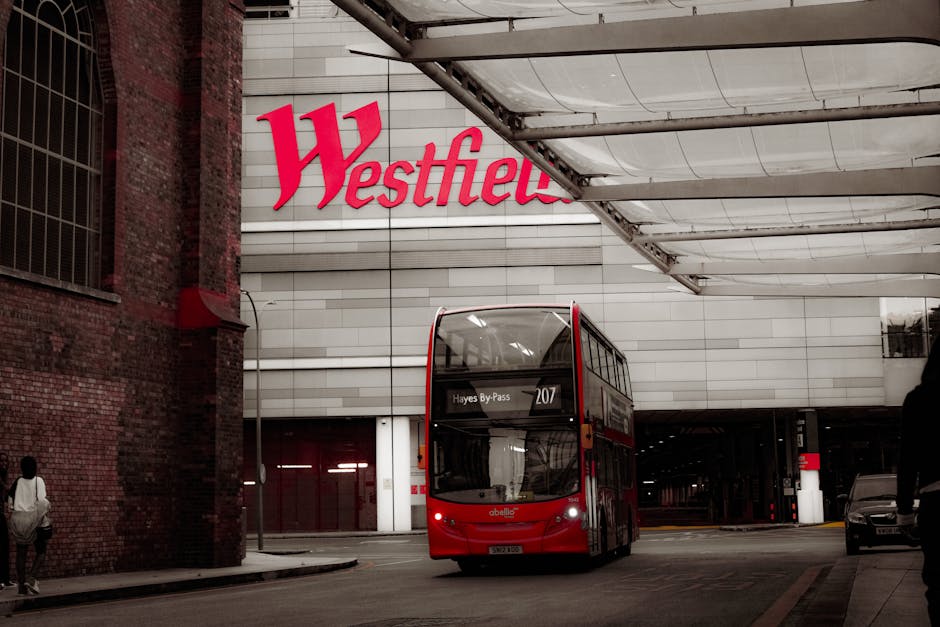
Shepherds Bush is an area in West London closely associated with the London Borough of Hammersmith and Fulham, although its name is also used more broadly for the district around Shepherd’s Bush Green and the transport interchanges nearby. The area developed from rural open land into a densely built urban neighbourhood during the nineteenth and twentieth centuries, helped by improved railway and Underground connections. Today it is known for a mix of housing, shopping, entertainment and everyday local activity. Shepherd’s Bush Green remains a central landmark and public space, providing an open focal point within an otherwise heavily built-up part of London. The area has a strong commercial character, with retail frontages, smaller local businesses and larger destinations such as Westfield London shaping the streetscape. Architectural variety is one of its notable features: surviving terraces, later commercial buildings and modern developments sit near one another, reflecting the district’s layered growth. The nearby transport network, including rail and Underground services, has long been a defining part of its identity, making the area feel connected both locally and across the capital. Within that urban fabric, everyday movement is shaped by busy roads, pedestrian routes and the constant interaction between homes, shops and workplaces. Cultural life is also visible in the area’s performance venues, smaller independent spaces and the wider west London context, where entertainment and commerce have long been closely linked. As a result, Shepherds Bush reads as a practical, energetic urban district with a clear identity built from transport, trade and the changing use of its streets and buildings over time.
Planning a collection around your premises

Commercial waste jobs work best when the practical details are handled early. You do not need a lengthy brief, but it does help to note the access route, the quantity and the type of items to be removed. If the collection involves shared entrances, limited parking, tight stairwells or items that need to come from more than one room, mention that at the outset. Those factors affect how the work is organised and how the quotation is shaped.
For many businesses, the simplest approach is to mark out the items that are definitely going, keep anything uncertain to one side, and provide a short description of the space. If photographs are available, they can help with context, but they are not the only useful detail. A written summary of the load, the property type and the preferred timing often gives enough information for the service to be discussed sensibly. If you are ready to move ahead, pricing and quotes is the most direct page for arranging the next step.
Whether the job is a single collection or part of a wider clean-out, the same principle applies: keep the description clear, keep the waste accessible and ask for a quotation once the main details are known. If you would like to discuss business waste in Shepherds Bush, send your enquiry today and we can help you plan the removal in a straightforward way.